
I’ve been thinking a lot recently about Maya Angelou‘s often-circulated quote about courage being the most important virtue: “Without courage, we cannot practice any other virtue with consistency.”
This quote’s been coming to mind (again and again) as I find myself experiencing fear or saying “so much is scary.” And so much is! There’s so much injustice. What and who we care about are being attacked, fired, dismantled, criminalized, disappeared, hidden, abducted, deported, cut, killed. The language isn’t strong enough. The fear is ever-present.
When I recognize fear, then I can remind myself that it’s a friend and an invitation to root deeper into courage. I can cozy up to fears, asking: What is scary? What parts of me are scared? What parts of me know what to do when scared? How do I make decisions and take action when scared?
I remind myself of Dr. E’s mantra “do it scared” and feel reassured that I am not alone in experiencing fear. I remind myself of Queer Nature’s teachings about the OODA loop and acknowledge that I have tools for assessing and acting when in danger. I remind myself of Mia Mingus’s teachings about practices (that we’re always practicing something) and investigate more what I’m practicing and which of those practices cultivate courage. To access courage, I won’t leave the fear behind, but it will accompany me, hand-in-hand.
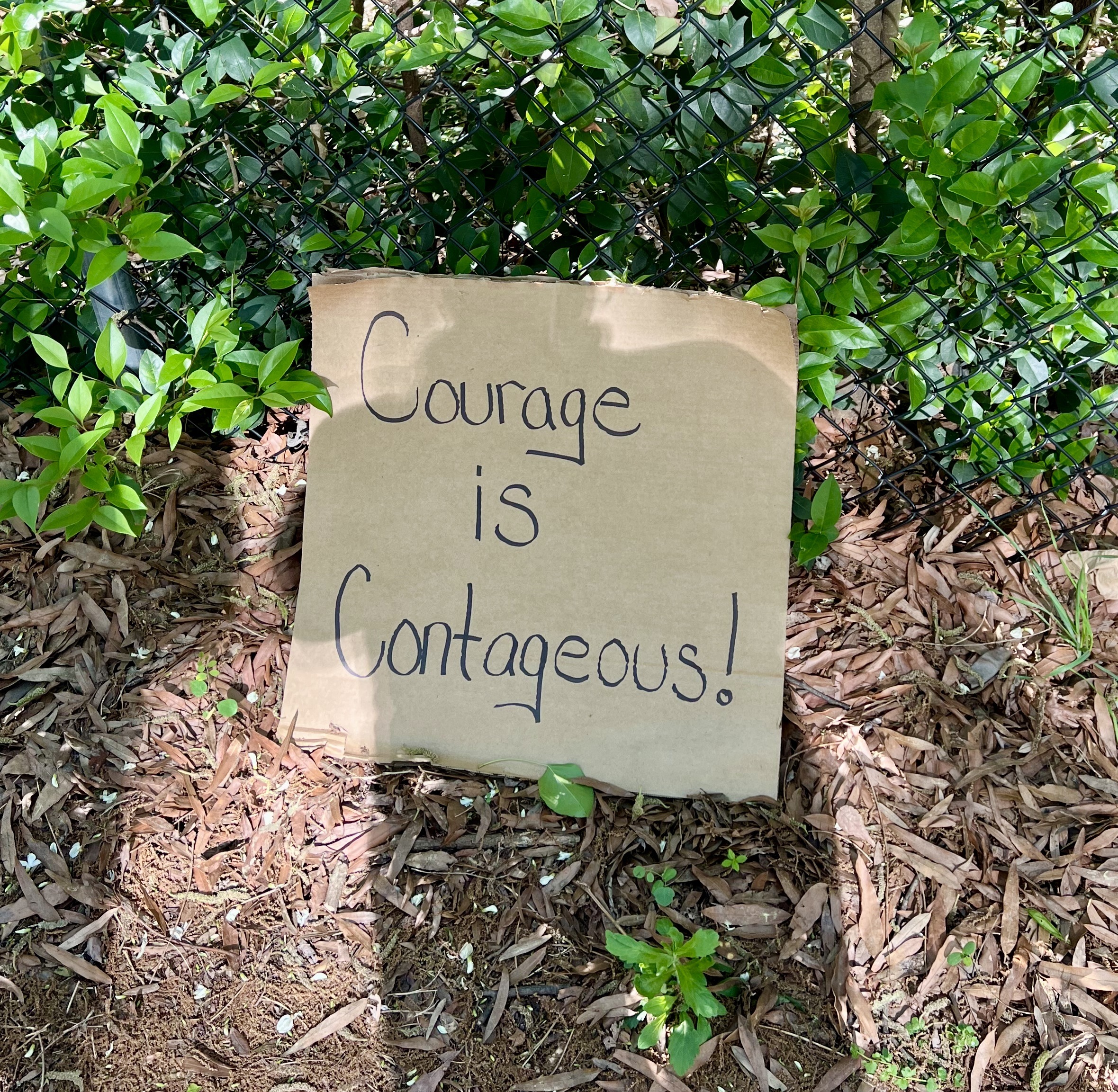
I share these reflections on courage because I’m recognizing, more and more, that fear is not only with us these days, but it can be teaching and motivating instead of entirely activating or destabilizing. So many recent conversations involve naming the present fears and then considering actions within a landscape of not only uncertainty but also crises and active threats.
Within this context, we need as many anchors and buoys as possible. We need each other to whistle when we’re out too deep and to throw life-saving ropes when we’re in need of rescue. Certainly, connection and community are key. So are inspirations for where and what action to take. Toward this end, I’ve been especially inspired by —
- recent episodes of Autumn Brown and adrienne maree brown‘s How to Survive the End of the World podcast — “The Sister Feud” and “The Sister Peace” (both episodes address working with nervous system activation and practices of solidarity)
- the webinar “Hooking Up & Raising Hell: A Conversation with Dean Spade and Kai Cheng Thom” sponsored by Firestorm Books here in Asheville (the event was also a fundraiser for families in Gaza and includes suggestions for where to continue routing funds)
- the recent installation of Ijeoma Oluo‘s collaborative resource-building project Until All of Us Are Free on “Collective Liberation 101: Boycotts & Strikes” (with historical recounting of the long-haul work of the Montgomery Bus Boycott)
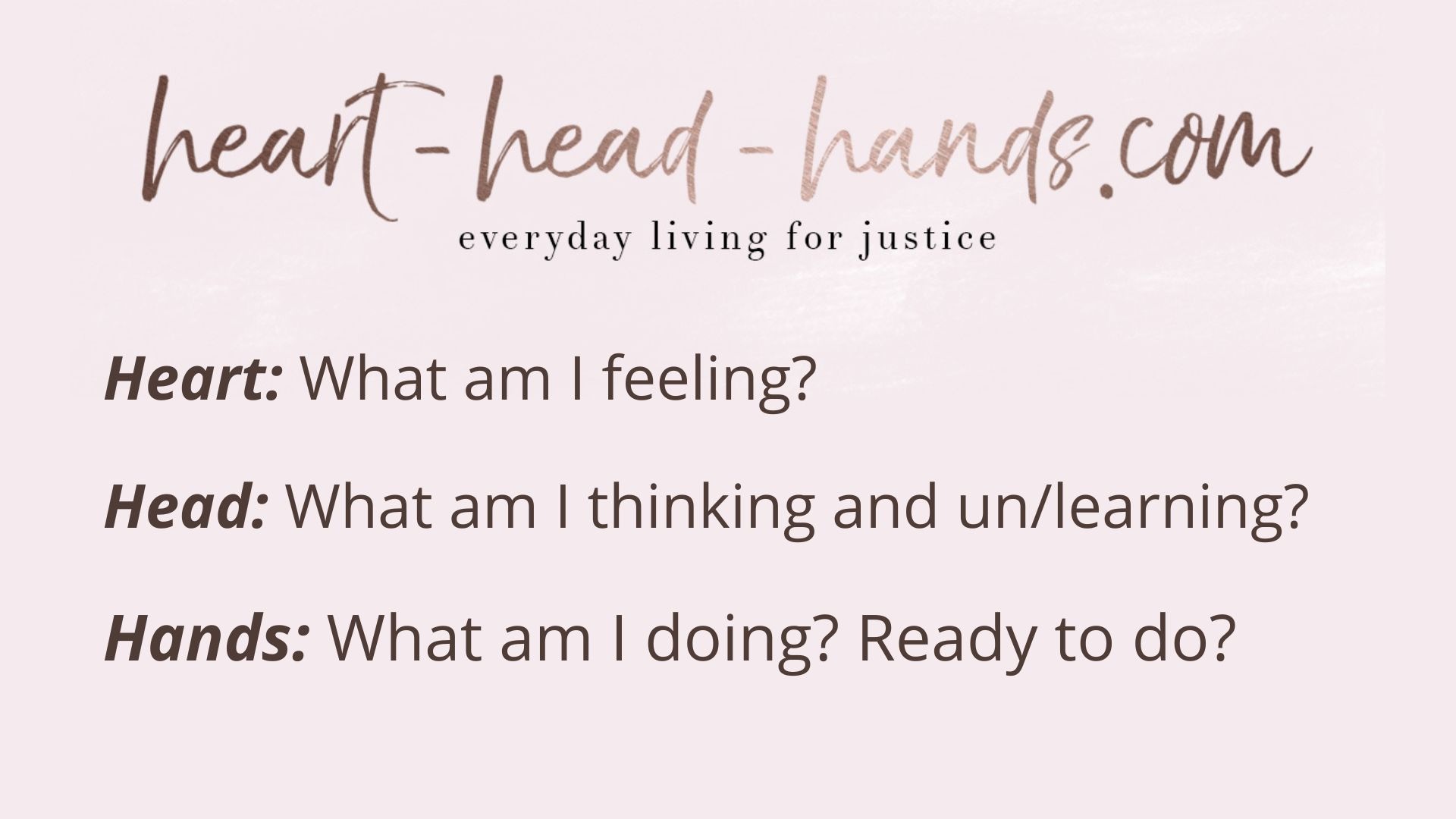
In the midst of fear, anchoring through memory and history, through larger organizing and movement work, and through somatic awareness all feel key. Also, reflection feels key for both working with fear and cultivating courage, so I’m returning often to heart-head-hands journaling prompts:
Heart: What am I feeling?
Head: What am I thinking and un/learning?
Hands: What am I doing? Called to do? Longing to do? Ready to do?
I am here to connect for coaching, career discernment, or writing support, all of which can address fears and cultivate courage. The next writing retreat is next week. And soon writing groups will be forming for summer. If you’d like to learn more, reach out for a consultation, or send questions or suggestions. Anytime.
Beth
Acknowledgement: One of my favorite books on fear is Thich Nhat Hanh’s Fear: Essential Wisdom for Getting Through the Storm. I am indebted to this book (and Buddhist wisdom teachings) for the invitation and lifelong practice of learning to befriend fear.
—
This post is written by Beth Godbee, Ph.D. for Heart-Head-Hands: Everyday Living for Justice. Related posts include “Contemplative Writing: Journaling and Other Practices for Reflection, Mindfulness, and Intentionality” and “Journaling and Drawing Exercises for Times of Transition.”


Leave a Reply